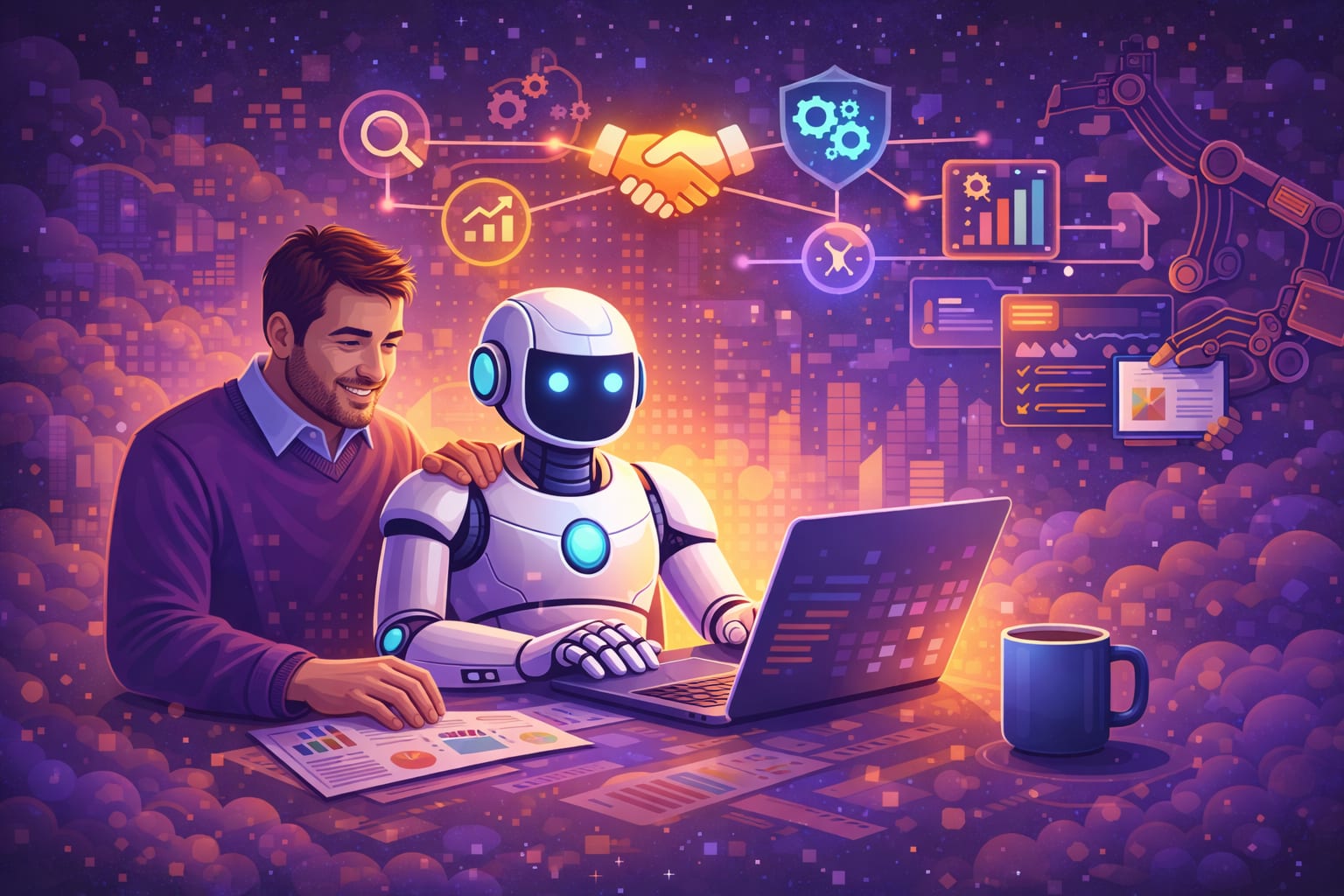
An in-depth analysis of how AI tools are impacting the job market and which roles are most at risk.
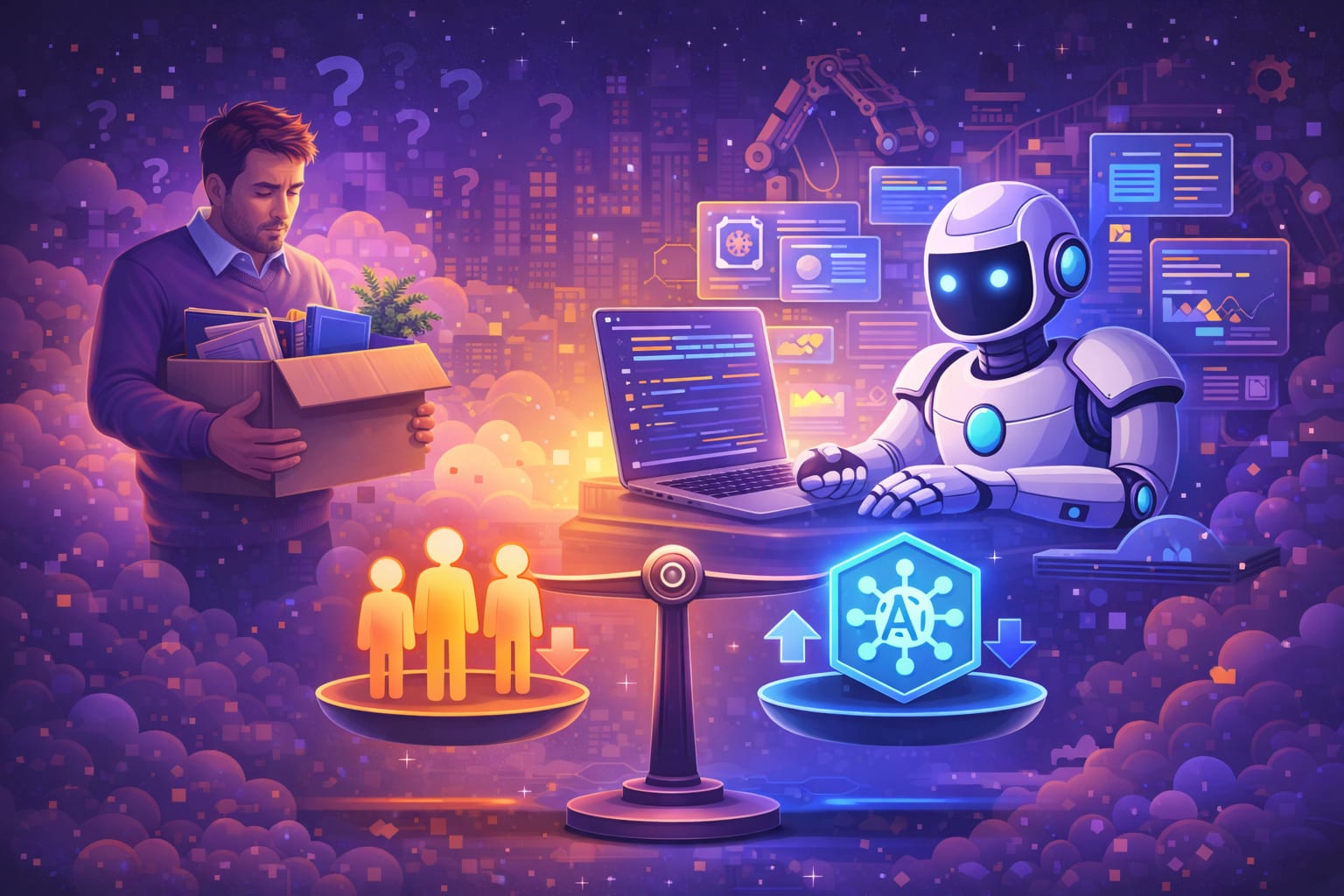
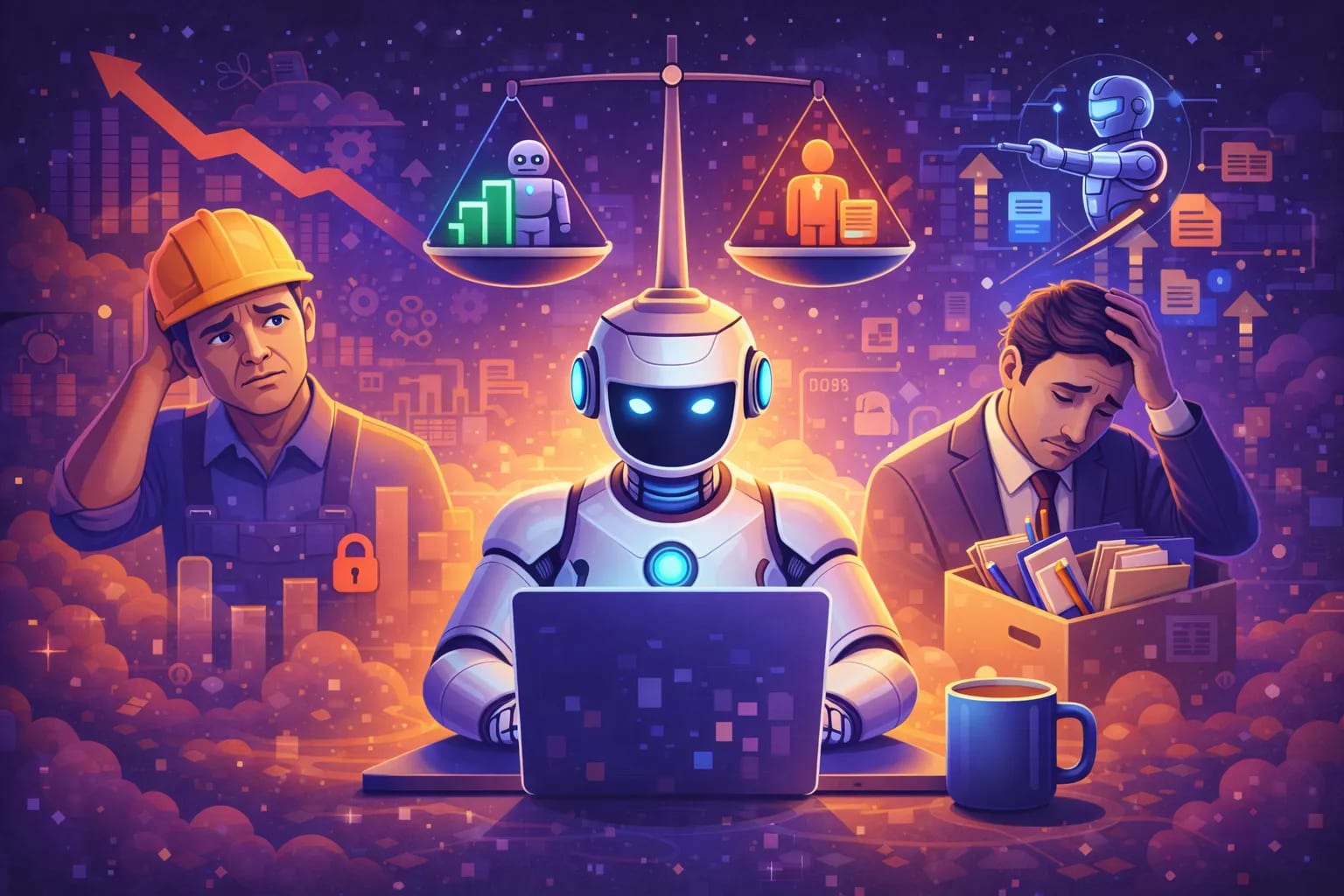
The idea that artificial intelligence is rapidly replacing human jobs has generated widespread concern across industries. Headlines frequently warn of mass unemployment driven by automation, often citing alarming numbers without sufficient context. While AI is undeniably changing how work is performed, the reality is far more complex than complete job replacement.
AI adoption is not eliminating work overnight. Instead, it is reshaping workflows, redistributing responsibilities, and increasing the value of certain skills. Understanding this distinction is critical for professionals, developers, and decision-makers navigating an AI-enabled economy.
Are AI Tools Really Replacing Jobs?
Most AI tools are designed to automate specific tasks rather than entire roles. A typical job consists of multiple responsibilities, some of which are repetitive and suitable for automation, while others require human judgment, accountability, creativity, or contextual understanding.
For example, AI can assist with data processing, code suggestions, document classification, and routing customer queries. However, defining objectives, managing stakeholders, resolving edge cases, and making strategic decisions remain fundamentally human responsibilities.
Jobs Most Affected by AI Automation
Roles involving repetitive, rule-based, and predictable tasks are experiencing the greatest impact. These include data entry, basic customer support, routine reporting, and simple content moderation. Even in these roles, human oversight remains essential to prevent errors, bias, and misuse.
By contrast, roles that depend on interpersonal interaction, ethics, creativity, or complex problem-solving are far less susceptible. Healthcare professionals, engineers, designers, skilled trades, and leadership positions continue to rely heavily on human expertise and accountability.
Task Automation vs Job Elimination
A common misconception is equating task automation with job loss. Automating a task often frees time rather than eliminating a role. This shift typically leads to expanded responsibilities, improved productivity, or the creation of new supporting roles.
Historically, technological advancements have followed this pattern. Tools change how work is performed, but they also create new demands for skills, oversight, and system-level understanding.
What Is Overhyped About AI and Jobs?
Claims that AI will completely replace programmers, managers, or creative professionals are not supported by current evidence. AI systems lack deep contextual understanding, accountability, and adaptability in unpredictable environments.
Additionally, adoption is constrained by cost, regulation, organizational readiness, and trust. Most organizations deploy AI incrementally rather than through sudden, large-scale workforce replacement.
What Is Actually Changing?
The most significant change is not job disappearance but skill evolution. Professionals who can work effectively alongside AI tools, validate outputs, and apply domain expertise are becoming more valuable.
Critical thinking, communication, and system-level awareness are increasingly important as AI becomes embedded in everyday workflows.
Final Perspective
AI tools are transforming how work is done, but they are not eliminating the need for humans. Jobs are evolving, not disappearing. Separating hype from reality enables realistic preparation and long-term relevance in an AI-driven workforce.
Admin User
Verified CreatorAn expert contributor at CoolPosts, sharing insights on Technology and digital innovation.